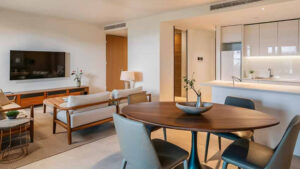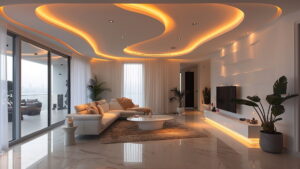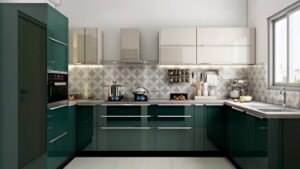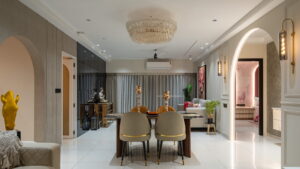
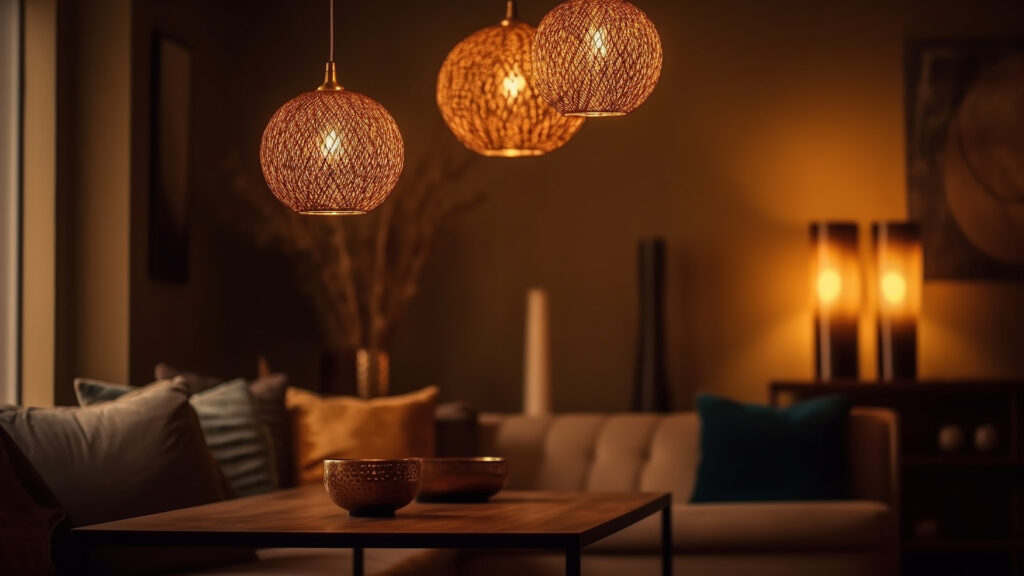
Lighting is one of the most important elements of interior design, yet it is often overlooked. A beautifully designed room can feel dull with poor lighting, while a simple room can feel warm, stylish, and inviting with the right lighting setup. That’s why understanding home lighting design is essential when planning your dream home.
Whether you’re building a new house or upgrading your interiors, choosing the right lighting for each room can improve comfort, functionality, and aesthetics. In this guide, we’ll explore how to create the perfect home lighting design for every space in your home.
Why Is Home Lighting Design Important?
Lighting does much more than illuminate a room. It affects mood, productivity, comfort, and even how colors appear.
A well-planned home lighting design can:
- Make rooms feel larger and brighter
- Highlight architectural features
- Improve functionality
- Create a welcoming atmosphere
- Enhance interior décor
The best interior spaces combine natural light and artificial lighting to create balance throughout the day.
Understanding the Three Types of Lighting
Before choosing fixtures, it’s important to understand the three layers of home lighting design.
Ambient Lighting
Ambient lighting is the main source of light in a room. It provides overall illumination and ensures the space is comfortable to move around in.
Examples include:
- Ceiling lights
- Chandeliers
- Recessed lighting
Task Lighting
Task lighting focuses on specific activities.
Examples include:
- Reading lamps
- Desk lights
- Under-cabinet kitchen lights
Accent Lighting
Accent lighting adds style and highlights specific features.
Examples include:
- Wall sconces
- Picture lights
- LED strip lighting
A successful home lighting design combines all three layers.
How to Choose Lighting for the Living Room
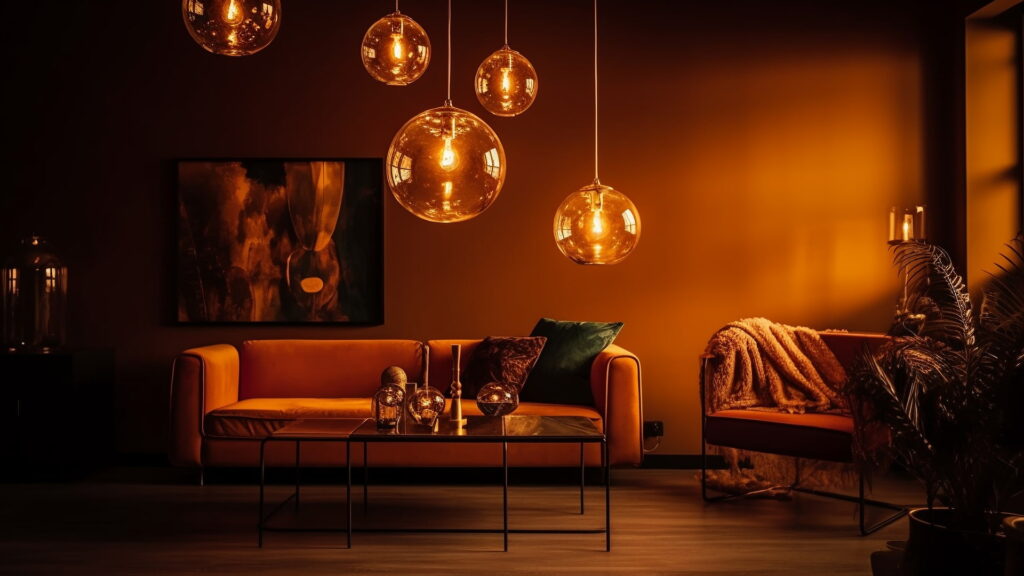
The living room is often the heart of the home. It’s where families gather, guests are entertained, and relaxation happens.
For effective home lighting design in living rooms:
- Use a central ceiling light for ambient lighting
- Add floor lamps near seating areas
- Install wall lights for extra warmth
- Use dimmers to control brightness
Layered lighting makes your living room feel flexible and inviting throughout the day.
How to Choose Lighting for the Bedroom
The bedroom should promote relaxation and restful sleep.
The best home lighting design for bedrooms includes:
- Warm white lighting
- Bedside table lamps
- Soft wall-mounted lights
- Dimmable ceiling fixtures
Avoid harsh white lights because they can make the room feel cold and uncomfortable.
Soft lighting creates a peaceful environment that supports relaxation.
How to Choose Lighting for the Kitchen
The kitchen requires both functionality and style.
A smart home lighting design for kitchens includes:
- Bright ceiling lighting
- Under-cabinet task lighting
- Pendant lights above islands
- Focused lighting over work areas
Proper kitchen lighting improves safety while cooking and enhances the overall appearance of the space.
How to Choose Lighting for the Dining Room
Dining rooms benefit from lighting that creates a warm and welcoming atmosphere.
Popular options include:
- Statement chandeliers
- Pendant lighting above the dining table
- Warm LED fixtures
Position lights at the correct height to avoid glare while ensuring the dining area remains the focal point of the room.
How to Choose Lighting for the Bathroom
Bathrooms need bright and practical lighting.
For effective home lighting design in bathrooms:
- Use ceiling lights for overall brightness
- Add mirror lighting for grooming tasks
- Choose moisture-resistant fixtures
Balanced lighting prevents shadows and improves visibility.
How to Choose Lighting for Home Offices
With more people working from home, home office lighting has become increasingly important.
The ideal setup includes:
- Natural daylight whenever possible
- Adjustable desk lamps
- Bright but comfortable overhead lighting
Good home lighting design can reduce eye strain and improve productivity throughout the day.
How to Use Natural Light Effectively
Natural light is one of the most valuable elements in interior design.
To maximize daylight:
- Use light-colored curtains
- Keep windows unobstructed
- Place mirrors strategically to reflect light
- Choose light wall colors
Combining natural light with artificial lighting creates a balanced home lighting design.
Common Home Lighting Design Mistakes to Avoid
Many homeowners make simple mistakes that affect the overall feel of their interiors.
Avoid:
- Using only one ceiling light per room
- Ignoring task lighting
- Choosing lights that are too bright or too dim
- Mixing inconsistent color temperatures
- Blocking natural light
A thoughtful lighting plan helps prevent these issues.
Latest Home Lighting Design Trends
Modern homes are embracing innovative lighting solutions.
Popular trends include:
- Smart lighting systems
- LED strip lighting
- Minimalist pendant lights
- Energy-efficient fixtures
- Hidden cove lighting
These trends combine functionality with style, making them excellent additions to contemporary interiors.
Why Professional Interior Designers Focus on Lighting
Experienced interior designers understand that lighting is just as important as furniture and color schemes.
Professional designers can:
- Create customized lighting plans
- Improve energy efficiency
- Enhance room aesthetics
- Highlight architectural details
A well-designed lighting plan transforms ordinary spaces into exceptional ones.
Contact Us for Expert Interior Design Services
Looking to create the perfect home lighting design for your home?
📍 Location: Electronic City Phase-1, Bangalore
📧 Email: info@woodensign.in
📞 Call: 9846532383, 9744449812
👉 Contact our expert interior design team today for a FREE consultation and discover how the right lighting can transform your home.
Final Thoughts
Lighting is one of the most powerful tools in interior design. From the living room and bedroom to the kitchen and home office, the right home lighting design can dramatically improve comfort, functionality, and style.
By combining ambient, task, and accent lighting, you can create beautiful spaces that feel welcoming throughout the day and night. Investing time in your lighting plan is one of the smartest decisions you can make for your home.